
Key 1 of 9 in the Loading Growth Wheel
Loading Growth
Growing shareholder value.
What this Key unlocks
Shareholder value relies on your firm's ability to increase sales, generate earnings and free cash flow without the founder in every decision. This Key covers the long term plan, the senior team, equity for key people, non executive directors and preparing the firm for sale, whether or not you ever sell.
Signature tool: The 90 Day Sprint.
Inside Everest, this Key is worked in 90 Day Sprints: one or two levers per sprint, measured, reviewed with peers and locked in before the next cycle. The Loading Growth result page shows the three levers most firms need to pull first.
Guides on Loading Growth
-
Loading Growth
Why Your IT Services Growth Ceiling Is Self ImposedMost IT services founders describe their growth ceiling as a sales or hiring problem. It rarely is. Here's how to find the real bottleneck upstream.
-
Loading Growth
IT Services Firm Valuation: What Buyers Actually BuyBuyers do not pay for revenue in an IT services firm valuation. They pay for reduced founder dependency. See the finding that resets your multiple.
-
Loading Growth
The 3 Systems Every Scaling IT Services Firm NeedsScaling an IT services firm on willpower has a ceiling. Here are the three weekly rhythms that lift founders off the tools without adding hours. Read more.
-
Loading Growth
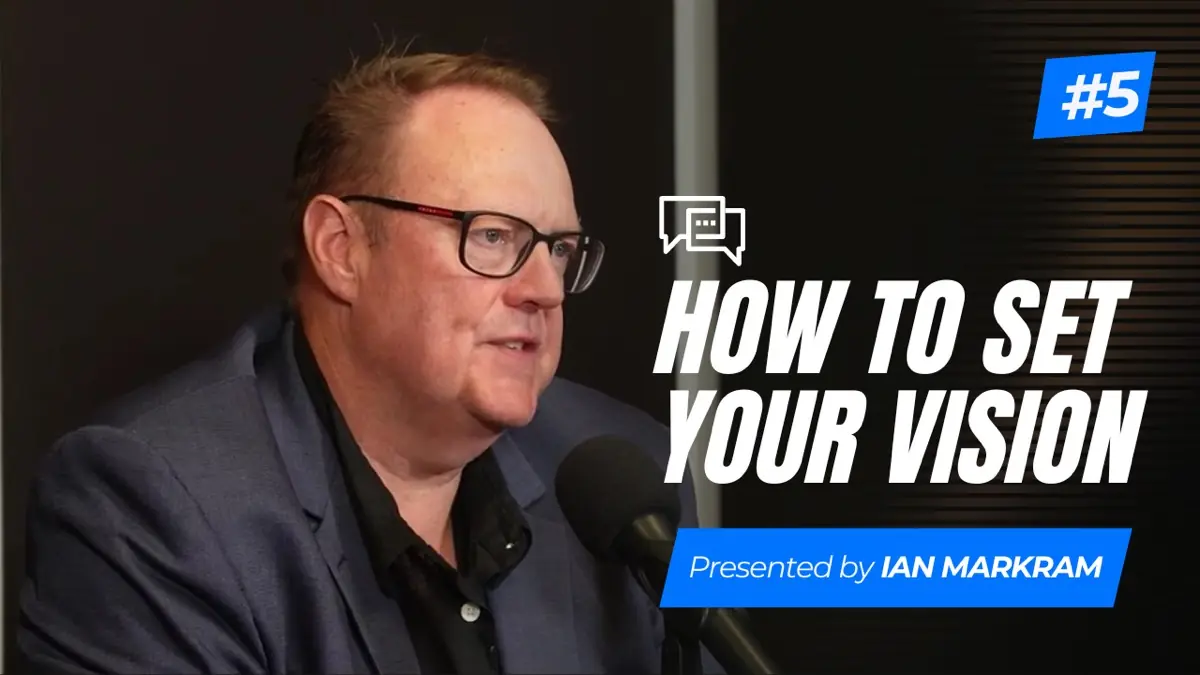
Podcast Ep5 How to Set Your VisionEpisode 5: Ian shares a 12 month plan, 9 step assessment, and team alignment tactics for IT firms.
-
Loading Growth
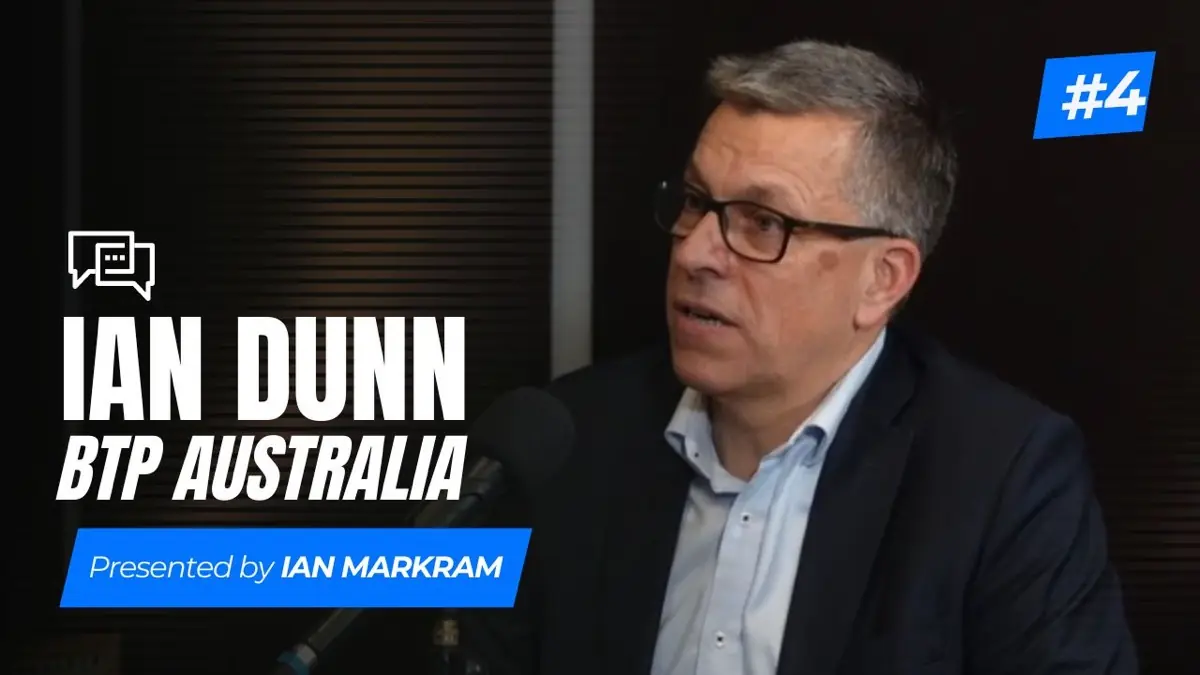
Podcast Ep4 Meet the Founder of BTP AustraliaExplore Ian Dunn’s journey with BTP Australia: niche finance transformation, client focus, and growth insights.
-
Loading Growth
Effective Communication Strategies for IT Services BusinessesOpen communication boosts IT teams: clearer meetings, feedback loops, and collaboration drive results.
-
Loading Growth
How to Avoid Shiny Object Syndrome in IT ServicesAvoid Shiny Object Syndrome in IT services with focus, clarity, and smarter decisions.
-
Loading Growth
How to Efficiently Manage Consultant Downtime in Your IT Services BusinessTurn bench time into growth with smart utilization and purposeful internal projects.
-
Loading Growth
Running Multiple Businesses Successfully: Tips for IT Services CompaniesRun multiple IT services ventures with smart delegation, shared ops, and data driven focus.
-
Loading Growth
Managing Silent or Less Active Shareholders in IT Services: Practical Tips for Stability and GrowthStabilize IT services growth by smartly managing silent or inactive shareholders.
-
Loading Growth
Unleashing the Potential: How an IT Services Business Coach Empowers Your SuccessTurn ambition into outcomes with an IT services business coach that drives real results.






Questions founders ask about Loading Growth
- What is an IT services firm actually worth?
- Usually a multiple of sustainable EBITDA, adjusted for how much of the firm depends on the founder, how concentrated the client base is, and how much of the revenue is recurring or committed. Two firms with the same revenue can be valued three multiples apart on those three factors alone. Knowing your number within a defensible range is the first lever in this Key.
- How do I grow shareholder value if I never plan to sell?
- The same way. A firm that could be sold tomorrow is a firm that runs without you, keeps its margin and holds its clients. Every lever that lifts value also lifts the founder's freedom and the firm's resilience, whether or not a buyer ever appears.
- What would happen to my firm if I stepped away for 90 days?
- This is the single best diagnostic in the Wheel. If revenue, delivery and the key client relationships would continue, you own an asset. If any of the three would wobble, you own a job with staff. The Role Reset Framework exists to move founders from the second to the first.
- Should I give equity to senior people?
- Often, and carefully. Equity, phantom equity or a structured incentive scheme locks in the people a buyer would want to keep, which is exactly what a buyer pays for. The mistake is giving it early as a retention bribe rather than as part of a leadership design with written roles and guardrails.
- How often should I review the value of the business?
- Quarterly, alongside the P and L, in a meeting that exists only for that purpose. Revenue and profit tell you how the quarter went. The value review tells you whether the firm is becoming more or less dependent on you, more or less concentrated, and more or less sellable.
- What do buyers of IT services firms look for first?
- A leadership team that can present the business without the founder in the room, a steady explainable EBITDA line over three years, client concentration below 30 percent, a published rate card that has been raised recently, and IP that lives in a library rather than in people's heads. In that order.
- Is EBITDA growth enough on its own?
- No. A steady EBITDA line with the founder in every decision is still a founder dependent firm, and the multiple reflects it. Growth in value comes from EBITDA plus independence: the leadership layer, the systems and the client relationships that survive you.
- Where does Loading Growth sit in the Loading Growth Wheel?
- At the hub. The other eight Keys are the spokes, and each one turns shareholder value: Loading Sales and Rates lift the profit, Loading Clients and Services protect the revenue, Growing IP, A Team, Leaders and Market build the asset. Score all nine and work the weakest first.
Is Loading Growth your weakest Key?
Six minutes on the scorecard tells you. Then bring the result to a 45 minute strategy call with Ian.